Home / Leak Detection & Repair
Leak Detection & Repair in Goodlettsville, TN: Water Leak Repair
Water leak repair and leak detection in Goodlettsville, TN cover both hidden leaks and emergency leak repair when water is actively escaping. Leak detection and repair finds where water is escaping from your plumbing, including leaks inside walls, under floors or beneath a slab, and then fixes the source. We serve Goodlettsville, Tennessee homeowners and nearby Nashville-area residents who notice a higher water bill, damp areas, a musty smell or the sound of running water, so the leak is found and stopped quickly, before it causes water damage, mold or structural damage. For an active leak that cannot wait, call (615) 455-3364 and ask about emergency leak response.
Need emergency water leak repair in Goodlettsville?
For an active water leak in Goodlettsville, shut off the fixture valve or the main water valve and call (615) 455-3364 for emergency leak repair. A plumber finds the source, whether it is a failed supply line, a fitting or a pipe inside a wall, and repairs it. Goodlettsville sits in both Davidson and Sumner counties (ZIP 37072), and we also serve nearby Rivergate, Madison, Millersville, Ridgetop, Hendersonville, Whites Creek and Joelton. If a pipe has split open, ask for a burst pipe plumber.
How does water leak repair work in Goodlettsville?
Water leak repair in Goodlettsville, TN starts with finding the source: a plumber checks fixtures, supply lines and pipes, and uses detection tools for leaks inside walls or under floors. The leaking fitting or pipe section is then repaired or replaced. Call (615) 455-3364 and tell us where you notice water. If water is also backing up from drains, that points to sewer line repair in Goodlettsville instead, and if a hot water tank is leaking, ask about water heater repair in Goodlettsville. If old pipes keep leaking, repiping in Goodlettsville may be worth discussing.
What does leak detection and repair involve?
Leak detection is the process of locating a leak without tearing out more of the house than necessary. A plumber may begin by checking your water meter with all fixtures off, testing pressure in the lines, and inspecting visible pipes, fixtures and appliance connections.
If the leak is hidden, specialized tools such as acoustic listening devices, thermal imaging or line pressure tests can narrow down the location. Once found, repair can be as simple as replacing a fitting or supply line, or may involve opening a wall or floor to replace a section of pipe.
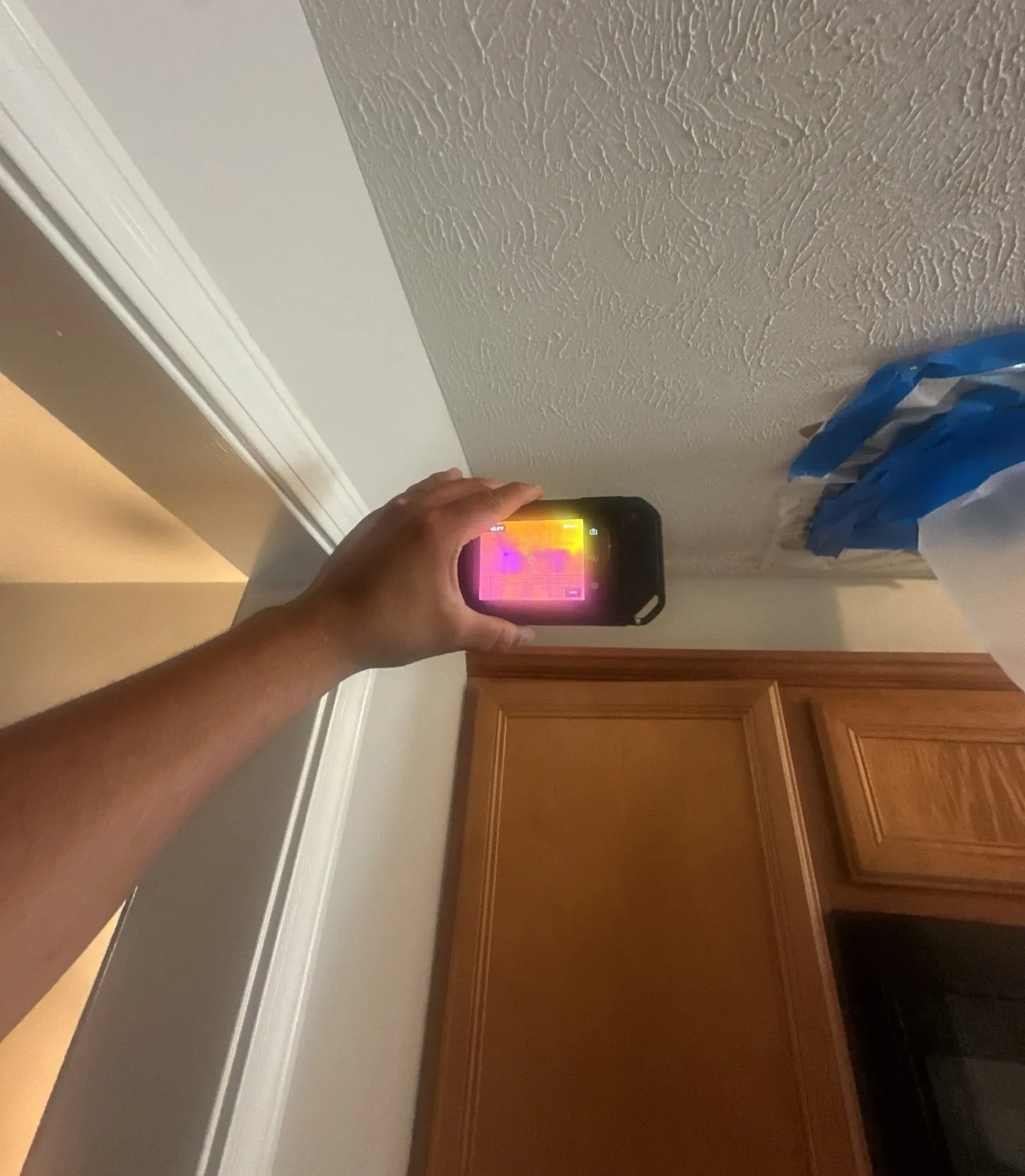
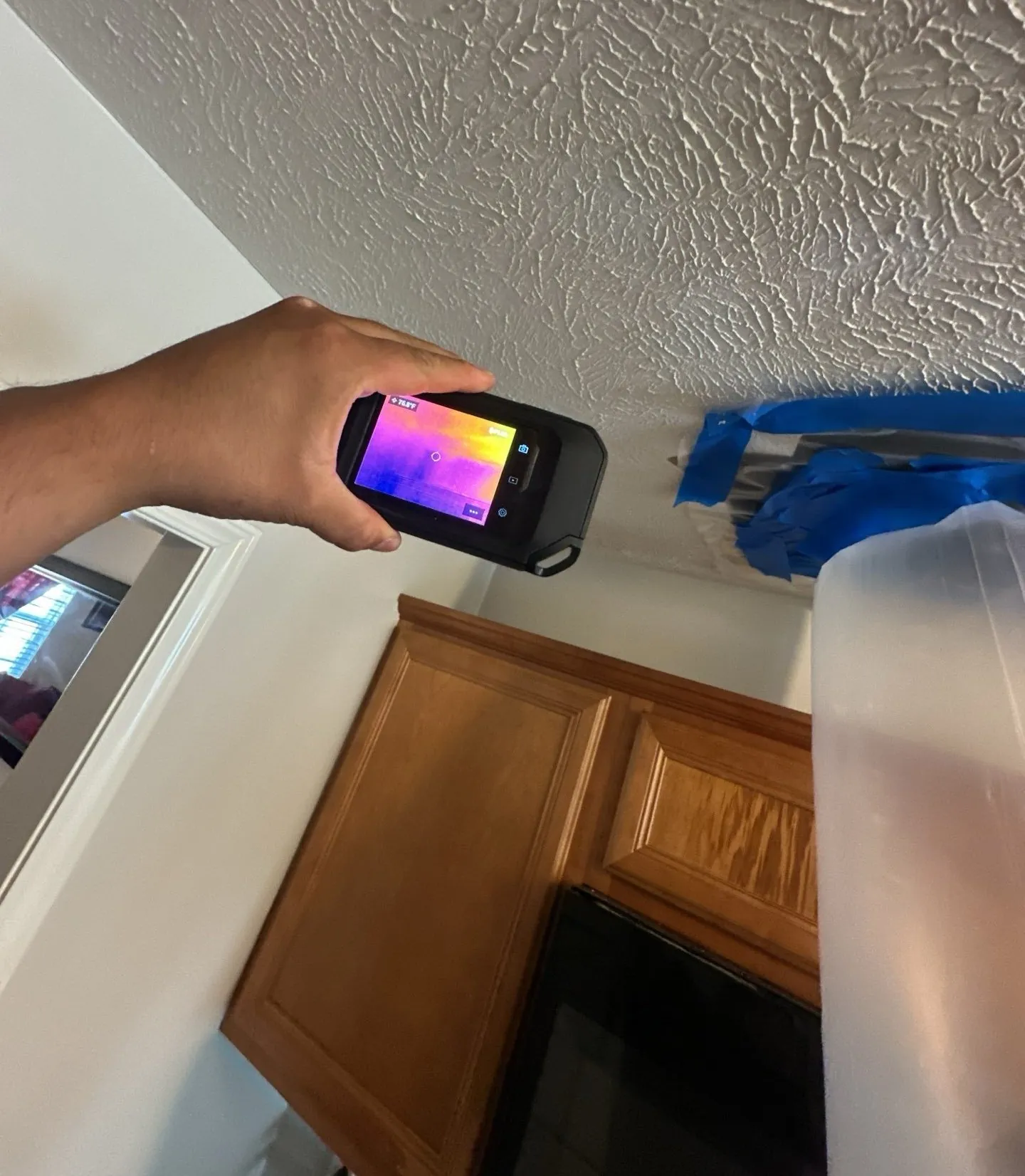
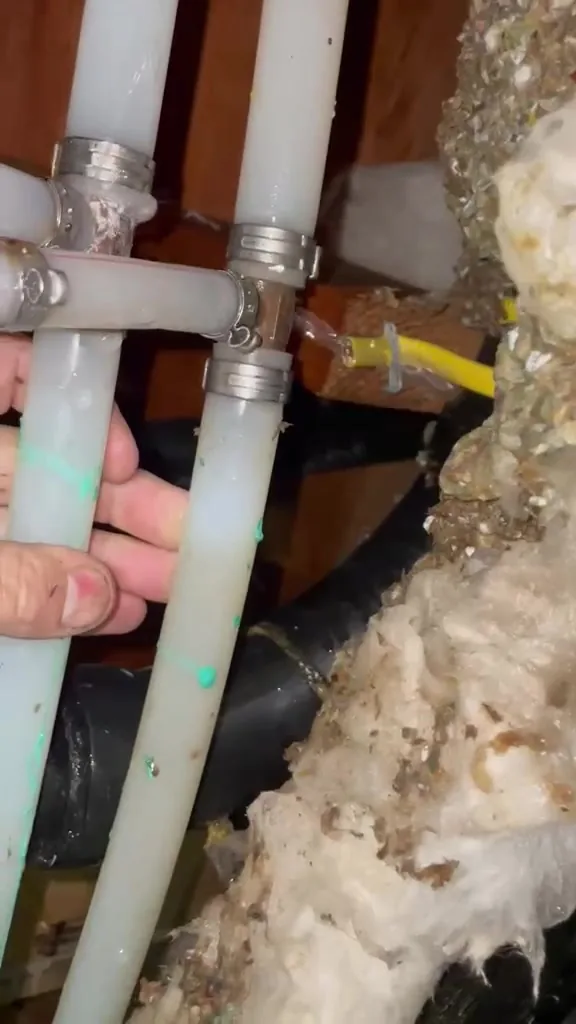
What should I do right away when I find a leak in my Goodlettsville home?
When you find a leak, the goal is to stop the water and limit what gets wet. Do these things first:
- Shut off the water to the leaking fixture or appliance, or at the main shutoff valve if you cannot isolate it.
- If the leak is a burst pipe or water is spreading quickly, call (615) 455-3364 right away and treat it as an emergency.
- Move belongings and furniture out of the wet area, and soak up standing water with towels or a wet vacuum if it is safe to do so.
- Keep away from water near outlets, appliances or the electrical panel.
- Take photos of the leak and any damage for your records.
A small, slow leak that you have shut off at its valve can usually wait for a regular appointment. A burst pipe or any leak you cannot stop is a case for emergency leak response, so call instead of waiting for a form reply.
When do you need leak detection and repair?
You may need leak detection and repair if you notice any of these signs:
- A water bill that rises with no change in how you use water
- A water meter that keeps moving when everything is turned off
- Damp, stained or bubbling drywall, ceilings or flooring
- Stains that slowly grow, peeling paint or warped or buckling flooring
- Musty smells or visible mold
- The sound of running water when nothing is on
- Warm spots on the floor, which can indicate a hot water line leak under a slab
- Low water pressure that appeared suddenly
Why does leak detection and repair become necessary?
Leaks start where plumbing wears or is stressed: aging supply lines, corroded pipes, worn fittings and shutoff valves, failed seals and appliance hoses. High water pressure and the movement of pipes can make small weak points worse over time.
Some leaks are caused by outside factors, such as shifting soil, tree roots near buried lines, or freezing temperatures that crack pipes during a hard freeze in the winter.
Why do slow leaks cause so much hidden water damage?
Slow leaks cause so much hidden water damage because they can run for weeks or months without anyone noticing. A pinhole leak in a supply line, a weeping fitting or a failing appliance hose keeps wetting the same drywall, insulation, wood framing or subfloor, and water often spreads sideways or downward inside the wall before it shows on the surface. A leak that looks small on the surface can already have damaged a much larger area.
A leak under a slab or in a crawlspace can also be hard to notice because the signs are indirect, such as a higher water bill, a warm spot on the floor or a musty smell. This is why an unexplained bill increase is worth checking early rather than waiting for a stain to appear.
How quickly can mold start growing after a leak?
Mold can begin to grow on damp materials within roughly 24 to 48 hours of moisture, which is why mold after a leak is a concern even when the leak seems minor. Standing water and wet materials that are not dried promptly give mold what it needs: moisture, an organic surface such as drywall paper or wood, and time. A leak that stays hidden inside a wall can support mold growth for a long time before you see or smell it.
That 24 to 48 hour figure is a general guideline, and actual growth depends on temperature, ventilation and how wet the material is. The best prevention is to find the leak, stop it and dry the area quickly.
Who fixes what after a leak causes water damage and mold?
After a leak is found, the plumbing repair and the water damage repair are two different jobs. A plumber locates the leak and repairs the pipe, fitting or connection that is letting water out. Drying wet materials, removing damaged drywall or flooring, and treating mold after a leak are handled by a water damage restoration company. If the leak has soaked walls, floors or ceilings, call a company that provides water damage restoration in Goodlettsville once the water is stopped.
Ask about both when you request an estimate. Our estimate covers the plumbing work, and you can share what we find about where the water went with the restoration company and your insurer.
Why do outdoor faucets and hose bibs leak, and how do I winterize them?
Outdoor faucets, also called hose bibs or sillcocks, leak most often at the connection where the supply pipe meets the faucet inside the wall or crawl space. Freezing is a common cause: water left in the faucet or the pipe behind it can freeze, expand and split the pipe or loosen a fitting. The leak may not show until the faucet is turned on in spring, and because the pipe runs through a crawl space or wall, the water can go unnoticed.
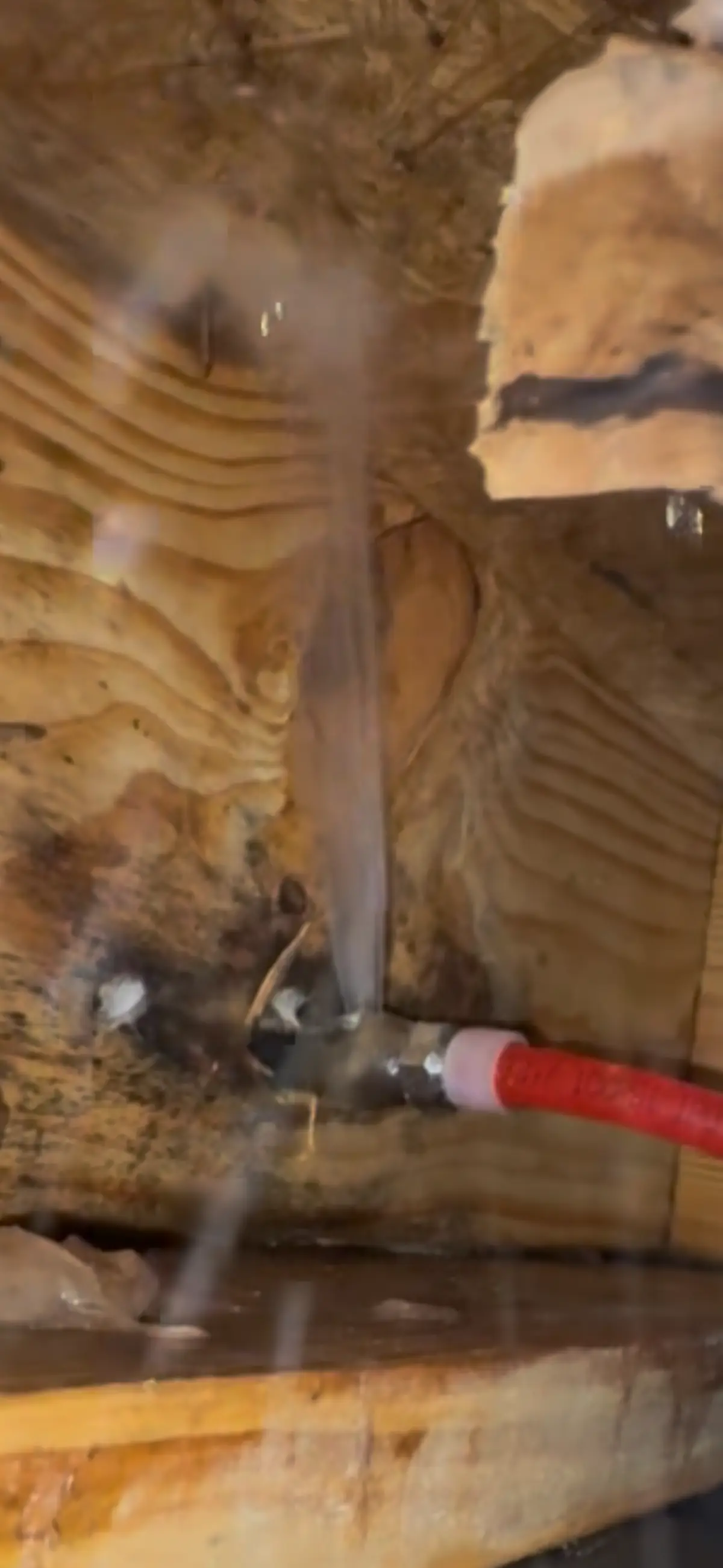
Before the first hard freeze, take these steps to winterize hose bibs:
- Disconnect garden hoses, splitters and timers. A connected hose can hold water in the faucet and keep a frost-free faucet from draining.
- If the faucet has an interior shutoff valve, close it, then open the outdoor faucet to drain the line. Leave it open over the winter if the line has a drain cap or bleeder to empty.
- Consider frost-free sillcocks, which close the valve farther inside the heated part of the house so the water sits away from the cold exterior wall. They must be installed with a slight downward slope to drain.
- Add insulated foam faucet covers for extra protection on exposed faucets.
After the first freeze, check the crawl space or the wall behind each outdoor faucet for dripping, wet insulation or puddles, and turn the faucet on briefly to look for leaks. If you find water spraying from a pipe, shut off the main water valve and call (615) 455-3364.
What affects the cost of leak detection and repair?
The cost of leak detection and repair depends on the specifics of your home and problem rather than a single flat price. The main factors are:
- How accessible the leak is: an exposed pipe is simpler than one in a wall or under a slab.
- How hard the leak is to locate and how much testing is needed.
- The pipe material and the length of pipe that needs repair.
- Whether walls, flooring or other finishes must be opened and later restored.
- Whether the leak is active and urgent.
An estimate based on your actual situation is the most reliable way to know the cost.
Fix the leak, or replace more of the pipe?
A single leak caused by a bad fitting or an isolated failure can often be repaired locally. If the pipe is corroded or has had several leaks, repairing one spot only pushes the leak to the next weak point, and replacing a larger section or repiping may be the better long-term choice.
As a homeowner you can shut off the water at the main valve and check your meter, which helps confirm a leak exists. Locating and repairing a hidden leak is best left to a professional, because guesswork often means cutting into walls unnecessarily.
Leak Detection & Repair FAQs for Goodlettsville homeowners
What are the signs of a hidden leak?
Common signs are a water bill that climbs with no change in use, a water meter that keeps moving when everything is off, the sound of running water, damp or stained drywall or ceilings, warped or buckling flooring, warm spots on the floor, and a musty smell. To check, turn off all water in the house and watch your water meter: if it keeps moving, water is going somewhere.
What should I do right away if I find a leak?
Shut off the water to the affected fixture, or at the main shutoff valve if you cannot isolate it. Move belongings away from the water, take photos for your records, and request service. For a burst pipe or any leak you cannot stop, call (615) 455-3364 and see our Emergency Plumbing page.
Will you have to cut into my walls or floors?
Not always. Detection tools help pinpoint the leak so any opening is kept as small as possible. If the leak is inside a wall or under a floor, some access is usually needed to repair it, and your plumber should explain that first.
Will a plumber handle water damage cleanup after a leak?
Leak repair fixes the plumbing. Drying wet materials, replacing drywall or flooring and mold remediation are separate work, usually done by a water damage restoration company, so we suggest calling a company that does water damage restoration in Goodlettsville after the leak is stopped. Ask about patching access openings when you request your estimate so you know what is and is not included.
How fast can mold grow after a leak?
Mold can begin to grow on damp materials within roughly 24 to 48 hours, depending on conditions such as temperature and ventilation. Finding and stopping the leak and drying the area quickly lowers the risk. If you notice a musty smell or visible mold, have it checked by a mold remediation professional.
Do you offer water leak repair and leak detection in Goodlettsville?
Yes. Call (615) 455-3364 for emergency leak repair or leak detection anywhere in Goodlettsville, TN (ZIP 37072), on both the Davidson and Sumner county sides. Shut off the water to the leak first and ask about availability when you call.
Request a Leak Detection & Repair estimate
Tell us what is happening and where you are, and we will follow up about your estimate. You can also call (615) 455-3364 to talk it through.
Other plumbing services in Goodlettsville
Goodlettsville Plumbing also provides the following services: